Does franchising only mean opening physical stores?
For years, this was the dominant model. A brand grew by handing over its concept to local entrepreneurs who replicated their commercial experience in a physical point of sale. But today, in the midst of 2025, this model alone is no longer sufficient.
Consumers have changed, and so has the market. And brands that want to grow need more agile, more connected, and, above all, more integrated structures. This is where the concept of a 360° franchise comes from: an evolution of the traditional model that incorporates digital channels, omnichannel strategies, and international territories, all under a single strategic vision.
At 3Line Retail Strategy, we have been developing and perfecting this approach for years. In this article, we explain what a 360° franchise is, how it works, and why it can be the most solid and profitable way to scale your brand, both physically and digitally.
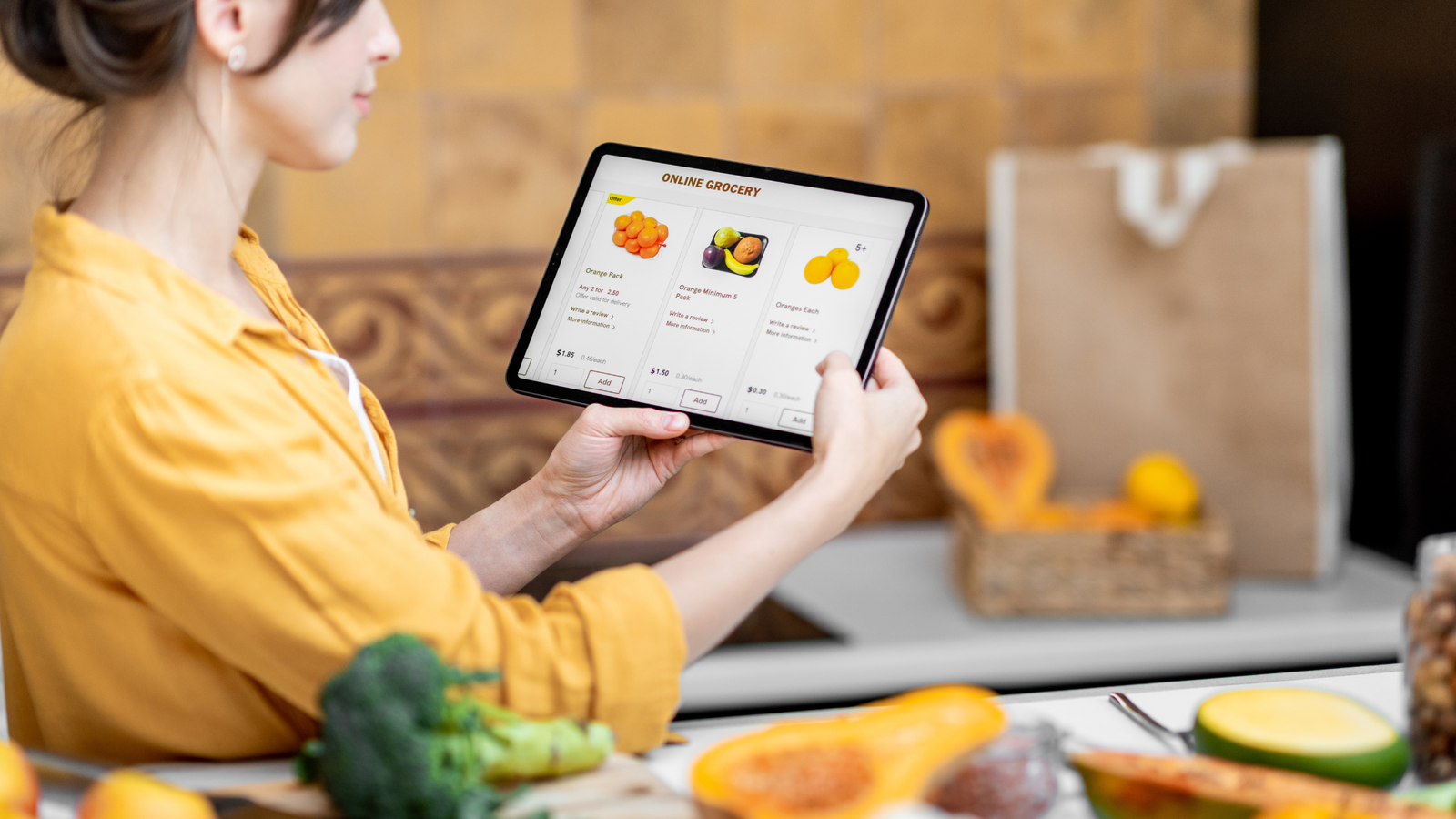
🧭 What is a 360 franchise?
A 360 franchise is a comprehensive expansion model that combines physical stores, digital channels, marketplaces, social media, its own eCommerce, and international positioning, under a single brand and operational structure. Unlike the traditional model, which is limited to a physical point of sale, a 360 franchise:- Views the business as a complete ecosystem, not as an isolated store.
- It gives the franchisee tools and rights not only over the location, but also over the digital exploitation of the brand in their territory.
- It relies on technology, data, and marketing strategies to maximize the franchisee’s overall performance, both physically and digitally.

🧱 How does this model work?
In a 360 franchise, the franchisee is much more than a store manager: they are a brand developer in a specific territory. They can operate a physical store, but also:- Manage local eCommerce (with their own or shared domain)
- Develop targeted digital campaigns
- Create local partnerships with marketplaces and media outlets
- Serve multi-channel customers
- Measure and optimize online and offline performance
- Technological structure
- Content templates and digital assets
- Omnichannel marketing training
- Support with digital expansion strategy
- Monitoring brand consistency across all touchpoints
🧩 Why is this model more relevant than ever?
- Because consumers no longer distinguish between channels. A person might discover your brand through Instagram, see the product in a physical store, and end up buying it on Amazon.
- Because it reduces dependence on physical traffic. It’s no longer enough to simply open a store in a good location. Profitability today comes from a mix of store + digital channel + multi-channel sales.
- Because it allows you to scale faster and with less risk. By including digital channels in the model, you can penetrate new markets without the need for an immediate physical store.
- Because it attracts new franchisee profiles. This model opens the door to entrepreneurs with experience in eCommerce, digital marketing, or audience management, who were previously excluded from the traditional franchise system.

🌐 Physical and digital are the perfect mix
One of the great benefits of the 360 approach is that it allows physical and digital channels to be synchronized into a coherent strategy. Instead of seeing them as competitors, it integrates them as allies. For example:- The physical store acts as a showroom and pickup point for online orders.
- Social media drives traffic to both channels.
- E-commerce offers extended product availability and visibility.
🚀 Types of franchises within the 360 model
To implement it correctly, it is important to distinguish the submodels that can be integrated within a 360 franchise. At 3Line, we work with at least four complementary configurations:1. Unitary franchise (physical with digital support)
The optimized traditional model. The franchisee operates a store in their city and leverages the brand’s digital tools to sell, promote, and attract customers.2. Multi-franchise
Companies that manage multiple units of one or more brands. This profile requires standardized processes, control dashboards, and operational freedom within defined frameworks.3. Master Franchise
A company acquires the operating rights for a region or country, including the possibility of sub-franchising. Here, the 360° approach allows for the construction of a simultaneous physical and digital network, adapted to the characteristics of the local market.4. Digital Franchise
One of the most disruptive models. The franchisee does not operate a physical store, but rather manages the brand’s digital presence in a given territory: eCommerce, marketplaces, social media, campaigns, online customer service, etc. This model allows for scaling with minimal investment, ideal for emerging markets or segments where digital is the dominant channel.
📊 Key Benefits for Franchising Brands
Adopting a 360° franchise model not only transforms the way a brand expands, but also optimizes resources, improves strategic control, and accelerates the return on investment in each new market. Here, with a business perspective, we explain the main benefits a franchising brand obtains by implementing this comprehensive structure:1. ✅ Greater market coverage with less of its own investment
One of the great advantages of the 360° model is that it allows for scaling without committing significant resources. By combining franchisee investment with a structured and replicable support system, the brand can:- Open simultaneous operations in different territories without assuming the direct costs of each unit.
- Expand its digital presence through franchisees who manage the local eCommerce channel or key marketplaces.
- Validate new markets with an agile approach, without the need for immediate physical implementation.
2. 🌐 A stronger and more coherent multichannel presence
Many brands lose strength when their physical and digital presence are not aligned. The 360 model allows for strategic and visual coherence across all customer touchpoints: stores, eCommerce, social media, marketplaces, customer service, etc. By working with franchisees who operate under unified guidelines but with the ability to adapt locally, the following is achieved:- A stronger global brand image.
- A consistent brand narrative, regardless of the channel or country.
- Better results in omnichannel campaigns, thanks to the coordination and synergy between the different fronts.
3. 🎯 Access to specialized digital talent
One of the current challenges for many brands is attracting and retaining digital talent. The 360 model solves this problem organically: by opening the system to franchisees with experience in eCommerce, performance marketing, marketplaces, or digital content. This allows for:- More precise execution of digital strategies by country or region.
- Less dependence on the central team for local tasks.
- Creation of digital communities that feel connected but adhere to the values of the parent brand.
4. 🏁 Speed of adaptation to each region
Markets evolve at different rates, and what works in one country may not make sense in another. One of the biggest risks of centralized strategies is their slowness to adapt to local changes. With 360 franchising, the brand maintains a solid structure but with the power to adapt locally. By being within the market, the franchisee:- Detects opportunities, threats, or emerging trends more quickly.
- Adjusts campaigns, promotions, and messages without having to wait for central approval.
- Applies proximity tactics, taking advantage of key dates, cultural habits, or dominant channels.
5. 📈 More data to improve decision-making
One of the most valuable assets of this model is the quantity and quality of data generated at each touchpoint. Thanks to the digital integration of franchisees, the brand can access key insights such as:- Performance by channel and territory
- Purchasing behavior by customer profile
- Local product or format preferences
- ROI of digital and physical campaigns
- Direct consumer feedback
- New product lines
- Global vs. local campaigns
- Pricing policies by region
- Innovation in customer experience
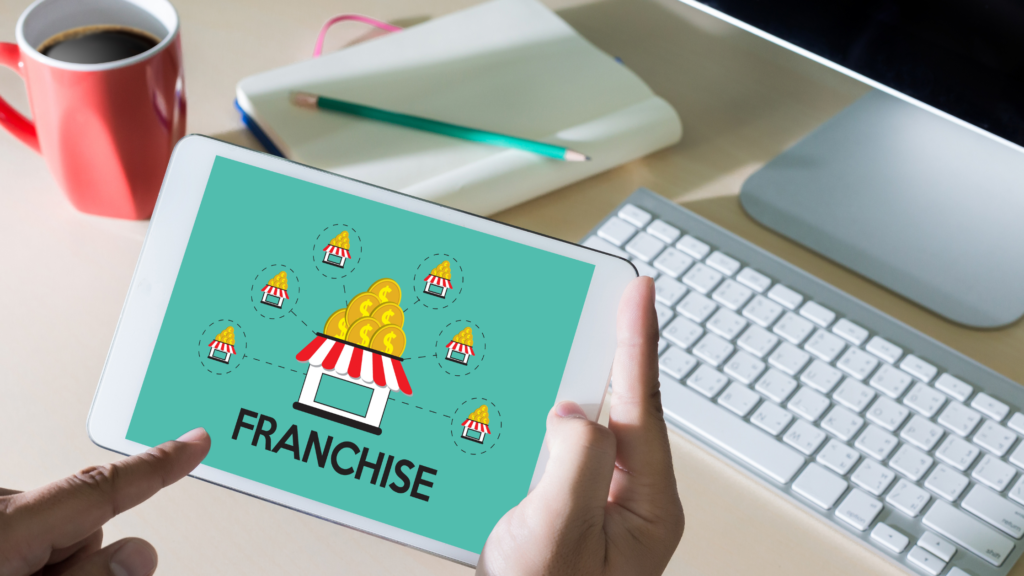
🔎 What does a brand need to launch a 360 franchise?
- A clear and adaptable brand identity. From the tone of voice to the user experience, there must be consistency without rigidity.
- A professional and unified Brand Kit. Manuals, visuals, templates, and documentation to ensure consistency.
- Scalable technological structure. Ecommerce platform, CRM, automation tools, multi-channel analytics systems.
- Clear processes and effective training. To facilitate the onboarding of new franchisees and maintain quality standards.
- A strategic partner. One who knows how to design, support, and monitor the growth of the network, both physical and digital.