

Standing out in the market isn’t a matter of luck.
It’s a matter of analysis, data, and knowing how to recognize opportunities when they arise.
Therefore, if your brand is in the expansion phase or is already looking toward new horizons, it’s worth looking beyond the typical destinations.
Too often, internationalization strategies repeat a pattern: they go to countries where the entire category already competes. They look for what seems safest. They enter where the competition has already done the work of opening up markets. The result: saturation, reduced margins, and a lot of sales pressure.
Meanwhile, in other corners of the map, there are real nuggets of gold waiting for brands that know how to take advantage of them. Places where demand is growing faster than supply, where consumers aspire to quality products and are willing to pay for them.
At 3Line Retail Strategy, we help European brands identify and activate these markets. Today we want to share with you an analysis based on data and field experience: the 5 emerging markets you can’t lose sight of if you’re thinking about expanding your brand internationally.
1️⃣ Eastern Europe: Kazakhstan and Uzbekistan, rising opportunities

While major brands remain concentrated in the mature markets of Western Europe, a growth dynamic is emerging in Eastern Europe and the post-Soviet region that cannot be ignored.
Kazakhstan, for example, maintains a very solid growth projection. Its economy grew 6% in the first four months of 2025. The World Bank forecasts a 4.7% increase this year, while the IMF estimates growth of 4.9% for 2025 and 4.3% for 2026.
In parallel, Uzbekistan is undergoing a process of economic openness and liberalization. Its foreign trade has increased 2.4 times in recent years, thanks to reforms aimed at modernizing the economy and attracting foreign investment. Exports have almost doubled since 2017, with particular emphasis on products such as textiles, precious metals, fruits, and industrial components. This environment of economic growth, industrial modernization, and expanding middle class is generating a growing demand for quality European products, especially in:
- Premium fashion and accessories
- Cosmetics and personal care
- Gourmet food and beverages
- Technology products
Key opportunity: Brands that offer authenticity, a European narrative, and perceived quality will find a less saturated market here with real room for positioning.
2️⃣ China: The rise of niche luxury

China remains one of the most attractive markets for European brands, but the game has changed. The biggest growth today lies not in competing with established luxury giants, but in connecting with consumers seeking authenticity and differentiation.
The luxury market in China is expected to reach between €365 billion and €385 billion in 2024, with a growth of 4%, according to Bain & Company.
Even more significant is the evolution of the Chinese middle class: in 2015, it represented 57% of the economy; by 2030, it is expected to reach 75%. This segment is driving a shift in consumer habits:
- Search for exclusive and personalized products
- Preference for European brands as a synonym for savoir-faire
- Strong use of social media (WeChat, Weibo, RED) as channels for discovery and influence
The concept of Mianzi (social prestige) is driving demand for niche brands that allow consumers to differentiate themselves within their social circles.
Key opportunity: Fashion, emerging luxury, accessories, and cosmetics brands with a strong identity and authentic narrative have enormous potential in this market. A well-orchestrated digital strategy on Chinese social media is essential.
3️⃣ India: Robust middle class and focus on technology
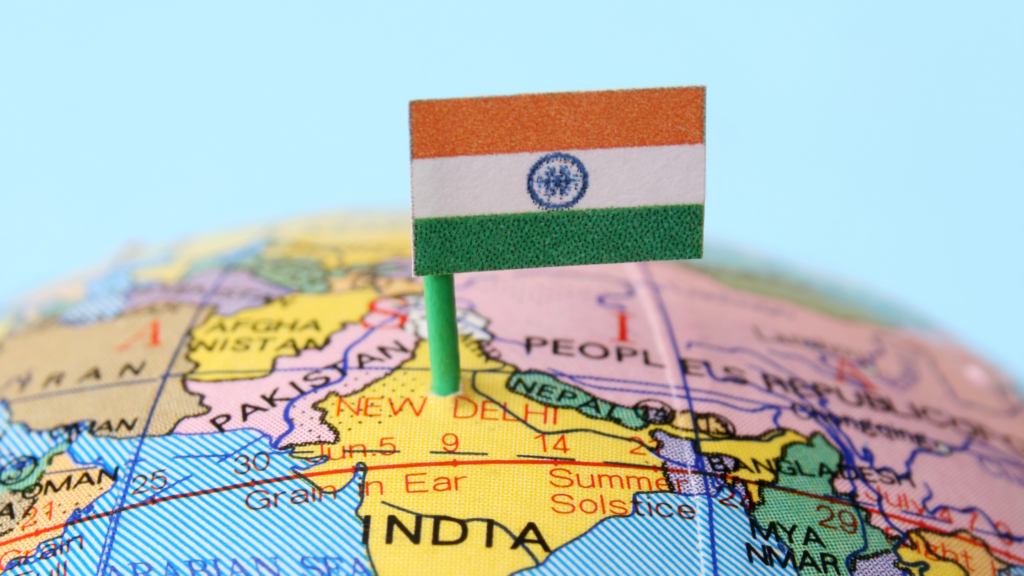
India remains one of the world’s strongest emerging markets. Its economy, driven by a rapidly expanding middle class, a population of over 1.4 billion, and a vibrant technology ecosystem, offers enormous opportunities.
Key sectors for European brands:
- Information
- Technology
- Consumer Electronics
- Fashion
- Premium Food and Beverages
- Natural Cosmetics
Growing domestic consumption, supported by favorable policies for foreign investment and strong digitalization, creates an ideal environment for European value propositions.
Key opportunity: Brands that integrate innovation, quality, and sustainability into their offerings will find a very receptive market with great scalability.
4️⃣ Southeast Asia: The dynamism of Vietnam and Indonesia

Southeast Asia is one of the most dynamic economic blocs in the world. Two of its most attractive markets for European brands are Vietnam and Indonesia.
Vietnam stands out for its commitment to advanced manufacturing and technology, as well as a young and connected population. Indonesia, the largest economy in the region, combines a growing middle class with abundant natural resources.
Sectors with the greatest potential:
- Fashion and accessories
- Natural cosmetics
- Healthy foods
- Technology products
Demand for European products is growing thanks to the perception of quality, authenticity, and values associated with Europe.
Key opportunity: Well-adapted digital strategies, combined with smart local distribution, enable rapid scaling.
5️⃣ Africa: Youth, Digitalization, and Sustained Growth
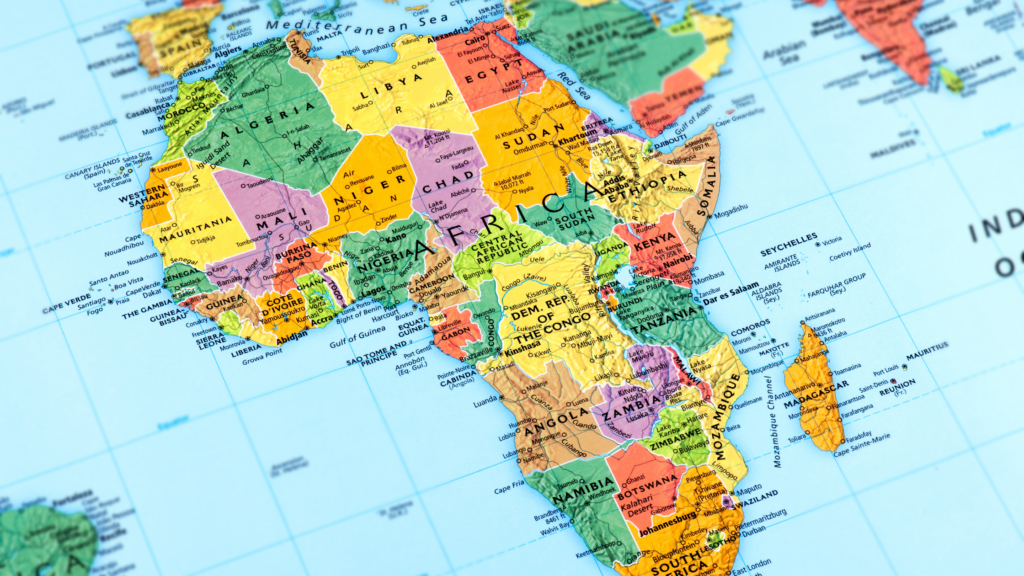
Africa is moving beyond being just a continent of the future and is becoming a strategic market for the present. Some countries today offer very attractive conditions for European brands.
Egypt is consolidating itself as a regional investment and production hub. With more than 110 million inhabitants, a strong infrastructure drive, and a growing technology sector, it is a key gateway to North Africa.
Kenya leads innovation in financial technology and has a growing middle class. Its digital ecosystem facilitates the entry of brands with differentiated offerings.
South Africa, thanks to its advanced infrastructure and solid financial sector, is the ideal platform for operating in sub-Saharan Africa.
GDP growth in several African countries is close to 6%, with a very young population (average age of just 19.7 years). This combination offers an expanding consumer landscape and rapid adoption of new technologies.
Key opportunities: retail, fashion, technology, premium food and beverages. Brands that focus on phygital strategies and cultural integration can build strong long-term positions.

🎯 In short, emerging markets are not secondary territories or last-resort bets. They are the new engine of global growth.
For European brands seeking to differentiate themselves and grow with a strategic vision, markets such as Kazakhstan, Uzbekistan, China, India, Vietnam, Indonesia, Egypt, Kenya, and South Africa represent real opportunities. Seizing them requires:
- A thorough diagnosis
- Cultural adaptation
- Authentic storytelling
- Local digital strategy
- Collaboration with strategic partners
At 3Line Retail Strategy, we help brands chart smart growth paths in these markets. We design entry and expansion strategies tailored to each context, with the goal of building a solid and sustainable presence.
Because international growth is a matter of method, not luck.