Business diagnosis: how to know if your business model needs to be transformed
🎬 Dawn at the factory
The first ray of sunlight filtered through the high windows of the design studio. Marta walked among the tables, observing the sketches of jewelry that had emerged that night with promise: gems, metals, delicate lines. They were special pieces, the fruit of years of dreams and calculations.
There, among the tools and prototypes, Marta felt something different in the air: something that couldn’t be seen, but could be sensed.
Sales had been declining in recent months. Customers who had previously bought without a doubt were now delaying decisions. A large distributor in France had suddenly closed its contract. Material and shipping costs were rising. And a digital competitor was selling similar pieces at half price but with ultra-fast deliveries.
That day, with the light of dawn all around her, Marta understood that her brand was facing a crucial crossroads. It wasn’t enough to make beautiful jewelry. She needed to rethink the engine that underpins her business model: adapt it, transform it, make it resilient without losing its identity.
This article is that map for brands like Marta’s: diagnosis, signs, tools and answers to know when to transform your model, if your idea is viable, what the transformation really entails and when a business becomes a company.
1️⃣ When do you know your model needs to be transformed?
Transforming on impulse or following trends is risky. But staying the same when the environment changes is like playing Russian roulette with your business.
Business transformation doesn’t always come with a loud alarm. Sometimes it presents itself as a small, persistent discomfort, like “this just doesn’t quite fit anymore.” Other times, it’s a direct shock: a drop in sales, the loss of a key client, the entry of a new competitor that exposes your weaknesses.
But there are signs. Clear ones. And when you know how to interpret them, you can act before it’s too late.

🔍 Internal symptoms: the imbalance comes from within
These are indicators that the model no longer responds to the current business situation. It’s not enough to adjust campaigns or launch a new product. There’s something more structural that needs to be reviewed:
- You’re selling more but earning less: volume is growing, but margins are shrinking. This indicates that you’re scaling an inefficient model.
- Your team is constantly working at its limit: improvisation is more common than execution. There’s no room for strategy, because everything is about putting out fires.
- You depend on very few clients or channels: if a single client represents more than 30% of your revenue, you don’t have a diversified business; you have a risky relationship.
- Every time you want to grow, everything shakes: opening a new channel, launching a new product, or entering another market generates operational chaos or internal tensions.
- Your team proposes reactive, non-strategic solutions: urgency is prioritized, not vision. And when a new opportunity arises, it’s difficult to execute because the foundation doesn’t allow it.
🎯 Why is this key? Because these symptoms can’t be resolved with more marketing or better design. They speak of a model that needs to be redesigned. And that requires a deeper look..
🌍 External Symptoms: The market has already changed, and you haven’t.
Sometimes, the business is fine “on the inside,” but the external context has overtaken it. It’s not that you’re doing things wrong. It’s that the world is moving faster than you can adapt.
- New competitors are changing the rules: more agile, more digital, cheaper brands… or all of the above. They force you to rethink how you create value.
- Your customers expect things they didn’t ask for before: instant purchases, personalization, 24/7 support, a phygital experience. If you can’t offer it, you lose relevance.
- Technology is making your sales, production, and communication methods obsolete: it’s no longer just about having an eCommerce platform. It’s about integrating it with your back office, customer service, logistics, CRM…
- Regulations, taxes, and logistical barriers affect you more than before: Import/export bureaucracy, tax changes, and regulatory roadblocks in certain markets can erode your efficiency or limit your expansion.
Had Marta ignored those signs, her business might have stagnated. Instead, by recognizing them, she opened a new path: not toward a haphazard turn, but toward a conscious transformation.
2️⃣ How to assess if your new idea has real viability?
An idea might sound brilliant over coffee, but it needs rigorous validation to survive. Here’s a practical method:
1. Quick validation with a small stake
For example, produce a limited mini-collection or a pre-sale with reservations. See how many people commit. That’s your litmus test.
2. Realistic financial calculation
- List your actual costs: design, materials, logistics, equipment.
- Estimate prices the market can bear.
- Test price/volume combinations.
- Establish your break-even point (how many units to sell to avoid losses).
3. Competitive and differentiation analysis
- Who offers something similar?
- What are their shortcomings?
- What do the most highly rated products offer?
- Does your proposal have a competitive advantage that can’t be easily replicated?
4. Scalability
An idea might work on a small scale, but can it be replicated with three, ten, or a hundred times more customers without collapsing? Evaluate processes, systems, and resources.
5. Real-world market testing
Launch the idea in a limited channel (local market, event, pop-up shop). Observe metrics: conversion rate, repeat business, returns, real feedback. This feedback will guide your adjustments.
3️⃣ What does transforming a business model entail?
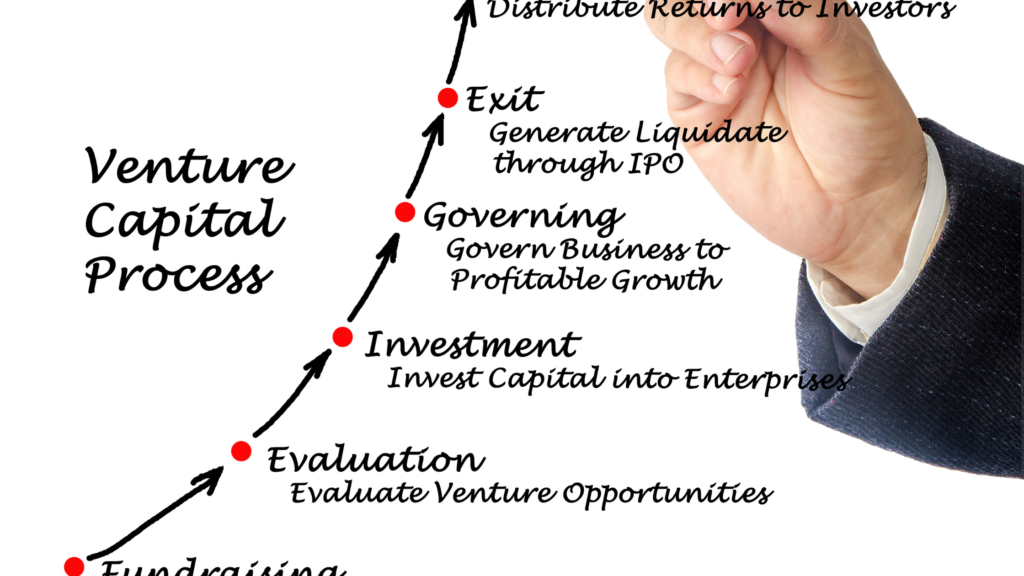
Transformation isn’t just a superficial overhaul. It’s about redesigning how you create, deliver, and capture value. Here’s what’s essential:
Redefine your value proposition.
Perhaps you previously sold a product. In this transformation, you can sell experiences, complementary services, subscriptions, or content. Your value can evolve.
Reimagine distribution channels.
From the local workshop to a digital store, marketplaces, pop-ups, or global distribution. The channel must align with your renewed value proposition.
New revenue streams.
Direct sales, a hybrid model (product + service), licensing, collaborations, and complementary products. Don’t rely on a single channel.
Restructure operations.
Transformation involves designing streamlined processes, robust technology, and automation. Your company must be ready to scale without collapsing.
Culture and talent.
Change requires a flexible mindset. The team must embrace learning, experimentation, and adaptation.
4️⃣ When does a business stop being an entrepreneurial venture and become a company?
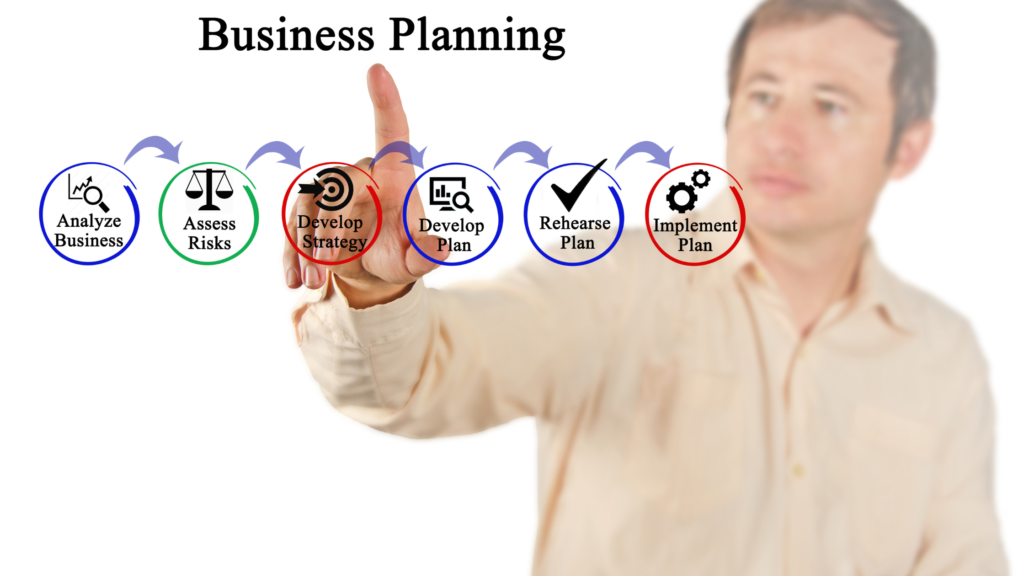
There’s no single moment that makes it happen, but there are characteristics that indicate this leap:
Professional organization
Defined roles, reporting structures, scalable processes. Not everything depends on the founder.
Financial sustainability
More than one client or category, stable cash flow, healthy margins, and investment capacity.
Brand with presence, reputation, and community
When your brand no longer depends solely on campaigns, but on reputation. When customers seek it out, they don’t just find it.
Clear growth strategy
No longer just surviving, but planning for the future: market expansion, diversification, and partnerships.
When Marta ensured her business met these criteria, it stopped being called “my jewelry workshop” and became a company with global aspirations.
5️⃣ Diagnostic tools: how to gain clarity
To put this diagnosis into practice, I suggest these tools:
Risk/Opportunity Matrix
On one axis, place internal warning signs; on the other, external opportunities. Visualize which forces carry more weight.
Qualitative and Quantitative Benchmarking
Observe similar businesses in other markets. Analyze their models, pricing, channels, and advantages.
Model Health KPIs
- Gross margin per unit
- Customer retention rate
- Customer acquisition cost
- Conversion time
- Operational scalability (how many orders can you handle without collapsing)
Business Model Canvas
Redraw your current model and your desired model side by side: what blocks change, which remain the same?
Gradual Transformation Roadmap
Define phases (pilots, adjustments, scaling). Don’t transform everything at once; prioritize impact.
6️⃣ Transform with purpose, not for fashion
There’s no one-size-fits-all solution for transformation. But there are solid principles:
- Diagnose with courage, without self-deception.
- Prioritize what has the greatest impact, not what seems urgent.
- Experiment on a small scale, scale prudently.
- Don’t abandon your core values in the process.
- Involve your team, support them through the transition.
Marta began her journey with a simple decision: to look at her brand with fresh eyes. From there, she started to map out her transformation. With the right diagnosis, you can do the same.
Does your business model need to transform? At 3Line Retail Strategy, we help you diagnose rigorously, plan your transformation, and support you every step of the way. It’s not a leap into the void. It’s a conscious climb.